

Subscribe to continue reading
Subscribe to get access to the rest of this post and other subscriber-only content.
Subscribe to get access to the rest of this post and other subscriber-only content.
Subscribe to get access to the rest of this post and other subscriber-only content.

I do not love the hype around New Years resolutions. They are part of the negative diet culture I try to avoid. Rather, I try to exemplify a positive balanced look at food and exercise for my teen daughter. Try. Some days are better than others.
Today was one of those days that I lived up to that statement. On NY’s coldest day in over three years, I woke up in the deep dark night (5:45am) to meet my new trainer at the gym. I did it, in fact, twice this week. #proud
A digression: investing in a trainer is investing in my health and longevity. I know its not something everyone can do. Up until this point, I was very satisfied with work outs from apps like Workout Women or Sweat.
The past two years depleted my internal drive for many things: including exercise. An appointment with trainer means I won’t roll over and go back to sleep and (!) I use the correct form while working on all muscle groups.
So, it was a good day. A cold one, but a good one. Tomorrow will also be cold. And, achey, but the good kind.
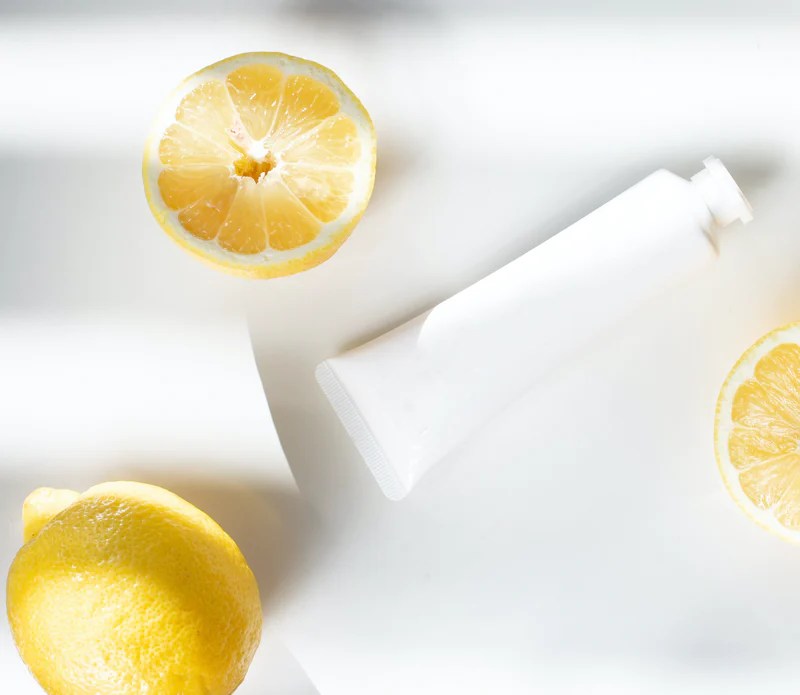
I needed some new skincare. It’s a NY January, and the air is cold and dry. Add to this our renovation, and all the dust. I went to the usual suspects to find some new treatments and moisturizers to help and was overwhelmed with lingo and jargon. So here is a first installment of how I started to break this all down to work out what I need, and, maybe, you too? A future iteration will include some product suggestions. For now, just definitions. This is not advice and for that, please talk to a dermatologist as they will provide the best advice for you.
| Hyaluronic Acid | A natural substance found in fluids in eyes and joints that acts as cushion and lubricant. HA in skincare draws moisture from its surroundings to help keep skin hydrated and is found in serums and moisturizers |
| OTC versions can be used twice a day on clean damp skin | |
| RX versions are in gel injectable fillers | |
| Result: reduce the appearance of fine lines and wrinkles. Topical treatments can soothe redness and dermatitis, while injections can make wrinkles reduct, and skin appear firmer | |
| AHA; BHA; PHA | Are three hydroxy acids that are found in various substances in nature, namely Alpha Hydroxy acids, Beta Hydroxy acids, and Poly Hydroxy acids. Use all with sunscreen |
| AHA | Alpha Hydroxy Acids are generally used for exfoliation, as they help break down the bonds between skin cells, or desmosome. AHA are hydrophilic, which means they are attracted to water, allowing them to lock in moisture onto your skin when applied. This makes AHA a good option for dry skin. |
| Types of AHAs…. | Glycolic acid, from sugars, and lactic acid, from milk, are the champion ingredients when it comes to skincare. Glycolic acid is good for exfoliation and controlling the production of sebum, which makes it suitable for oily or acne-prone skin. |
| Lactic acid, on the other hand, has nice hydrating properties, making it perfect as a skin moisturizer. It also has anti-microbial properties that make it suitable for the treatment of acne and pimples. | |
| Citric acid is (duh) from citric fruits such as lemons, oranges, etc, that has anti-aging properties and can brighten your skin. | |
| Mandelic acid derived from bitter almonds that is gentle on sensitive skin with its anti-inflammatory properties. | |
| Malic acid derived from apples that hydrate the skin and promote tissue respiration and tartaric acid derived from grapes that have anti-oxidant properties. | |
| BHA | Beta Hydroxy Acids are salicylic acids from willow tree bark, wintergreen oil, and sweet birch. |
| Beta Hydroxy Acids too are exfoliators though have a slightly different method of action and offer some different benefits. BHA is able to penetrate the skin more deeply to bestow its beneficial effects on it. | |
| BHA is lipophilic, which means it is attracted to oil, making it excellent for cleaning out excess oil and sebum from the skin and it can penetrate deep into the skin for a thorough cleaning of pores. | |
| BHA is suitable for those with oily skin, which is often accompanied by acne. | |
| Salicyclic acid, the predominant BHA, possesses anti-inflammatory properties, so it’s suitable for reducing redness and irritation. Often these symptoms accompany acne, so all the more reason for using this acid for the treatment of acne. | |
| Two final notes: BHA is anti-microbial: and as bacteria is the main culprit behind acne, it should also help reduce it through this property as well. Finally, salicylic acid is photoprotective as well, meaning it can be used as a sunscreen. | |
| PHA | Poly Hydroxy Acids or PHA only differ from AHA in one way: PHA has a larger molecular size than AHA, this means it does not penetrate the skin as fast as AHA. This leads to less irritation of the skin, if there is any. |
| Case use: the larger molecules makes PHA more suitable for those with sensitive skin that could react to the products that contain AHA, like those with eczema or rosacea | |
| Last thought… PHA has anti-oxidant properties, allowing it to slow down the aging of the skin. This plus lines and wrinkles reduction make it suitable for those with mature skin. | |
| Anti-Oxidant | Antioxidants are substances that help protect the skin’s surface from oxidative damage caused by free radicals and environmental aggressors like UV and pollution. Antioxidants are often found in skin care product formulas because of their powerful anti-aging benefits. |
| *Free Radicals | …Are compounds that can cause harm if their levels become too high in your body. They’re linked to multiple illnesses, including diabetes, heart disease, and cancer. Your body has its own antioxidant defenses to keep free radicals in check. |
| Oxidative stress/ damaage | An increase amount of oxidants, exceeding the antioxidant defense system capacity, leading to chronic inflammation, which can cause collagen fragmentation (loss of skin’s structural integrity in aged skin) and disorganization of collagen fibers, |
After a few years off from my Tumblr, I am returning to blogging. Not sure where this will go but I have some questions and, if I have am curious, I am betting others are too. So here we go…


Papilio ulysses by Johan J.Ingles-Le Nobel on Flickr.

cushion pile… by rose hip… on Flickr.

 The Real EBC